
Home / Hire Developers / Hire React Native Developers
Extend your team with React Native development support.
Work with PoliteTech to define a React Native role that fits your current product, backlog and engineering process. Confirm the required skills and responsibilities before selecting the engagement.
React Native skills we cover
- React Native
- TypeScript
- Expo
- Redux
- React Navigation
- Native Modules
 ★★★★★5.0· 57 client reviews
Overview
React Native developers for your product
Typical work
Cross-platform mobile interfaces, integrations and application maintenance.
What to prepare
Share the application architecture, immediate priorities, review process and access requirements. Candidate suitability and start timing are confirmed after review.
Working model
Collaborate through your existing backlog and agreed working overlap, with role ownership and progress reviews defined at onboarding.
Responsibilities
What our React Native developers can take on
Build cross-platform apps
iOS and Android from one codebase.
Write native modules
Bridge device features when needed.
Improve performance
Smooth lists, animations and startup.
Manage releases
Store builds and over-the-air updates.
Integrate backends
APIs, auth and notifications.
Write tests
Unit and Detox end-to-end tests.
Skills
Technical skills
React NativeTypeScriptExpoReduxReact NavigationNative ModulesFirebaseDetoxFastlaneCodePushApp Store and Google Play
Hiring guide
What to check when hiring React Native developers in 2026
React Native lets one team ship iOS and Android apps from a shared TypeScript codebase. The framework replaced its internals between 2024 and 2025, so recent hands-on experience matters more here than in most stacks.
The New Architecture is now the only one
The New Architecture became the default in React Native 0.76, and 0.82 was the first release to run entirely on it. The documentation lists 0.88 as the latest version. Ask candidates whether they have migrated an app, which native modules caused trouble, and how they checked third-party libraries for compatibility.
Native skills still matter
Cross-platform does not remove the platforms. A strong React Native developer can read Swift and Kotlin, write a native module when a library is missing, and debug a build failure in Xcode or Gradle. Ask for an example.
Expo or bare workflow
Expo now covers most production needs, including native code through development builds and over-the-air updates. Candidates should be able to explain when they would stay with Expo and when they would not. Our article Expo or bare React Native? sets out the trade-offs.
Store requirements and upgrades
The app still has to meet Apple and Google deadlines: Xcode 26 and the iOS 26 SDK since 28 April 2026, and Android 16 (API level 36) for new apps and updates from 31 August 2026. Staying within a few React Native versions of the latest makes those deadlines routine. Ask how often they upgraded and how long it took.
Sources
- React Native Versions, accessed 12 November 2026. Supports: latest React Native version.
- React Native, About the New Architecture, accessed 12 November 2026. Supports: New Architecture enabled by default from 0.76.
- React Native 0.82 release post, accessed 12 November 2026. Supports: first release running entirely on the New Architecture.
- Apple Developer, Upcoming Requirements: SDK minimum requirements, accessed 12 November 2026. Supports: Xcode 26 and iOS 26 SDK requirement for App Store uploads.
- Google Play Console Help, Target API level requirements, accessed 12 November 2026. Supports: target API level deadlines for new and existing apps.
Onboarding
How onboarding works
For a React Native role, onboarding centres on both native projects, the build service and store access.
01
Define the role
Agree the app areas in scope, React Native version, Expo use, seniority and working overlap.
02
Review candidates
Review profiles and shipped apps, then interview on React, native modules and upgrades.
03
Agree terms
Confirm engagement model, reporting and access to both store consoles.
04
Set up builds and access
Share repositories, signing for both platforms, build service settings and store console roles.
05
Ship a first build
Start with a scoped change delivered to TestFlight and an internal Android track, then review fit regularly.
Why PoliteTech
Why teams choose PoliteTech
Scope before commitment
Priorities, assumptions and acceptance criteria are agreed in writing before a delivery plan is fixed.
Engineers who build
Recommendations come from the people who design, code and support the software, so they reflect real implementation effort.
Visible progress
A shared backlog, regular demos and recorded decisions keep you informed without chasing updates.
Practical AI
Evaluation sets, review steps, cost limits and monitoring are part of every AI feature we ship.
Flexible engagement
Start with a scoped project, a dedicated team or support, and change the model as your roadmap evolves.
Clear ownership
Repositories and accounts can live in your organisation, with IP and confidentiality terms agreed in the contract.
Cost
What shapes the cost of your project?
There is no useful price without scope. These are the factors we review when preparing an estimate, and the estimate lists every assumption so you can see what would change it.
01
React Native version
Apps several versions behind, or not yet on the New Architecture, need upgrade work first.
02
Native modules
Custom native code for either platform needs engineers who can work in Swift and Kotlin.
03
Third-party libraries
Unmaintained packages may need replacing or patching.
04
Platform differences
Screens that must look or behave differently on each platform reduce code sharing.
05
Release setup
Manual builds and store submissions cost time until they are automated.
06
Working overlap and duration
Shared hours with your time zone and the length of the engagement shape team planning.
FAQ
Hiring React Native developers
How do you assess React Native developers?
We review shipped apps and code, then interview on React, TypeScript, native modules, performance and the upgrade process. You can interview candidates and set your own task before the engagement starts.
Is our app affected by the New Architecture?
If it is on a version before 0.76, or has the New Architecture switched off, yes. React Native 0.82 and later run only on the New Architecture, so an upgrade plan should include checking every native dependency.
Do you use Expo?
Yes, for new apps in most cases, and we also maintain bare React Native projects. We recommend based on your native requirements and release process.
React Native or Flutter?
Both are mature. React Native fits teams with React and TypeScript skills and apps that share logic with a web product. Flutter fits teams that want one rendering engine across platforms. Our article Flutter vs React Native compares them.
Can developers work in our time zone?
We agree a working overlap with your team. Hanoi time works well with Asia-Pacific, European mornings and US evenings.
Other roles
Explore other skill areas
Our work
React Native projects we have built
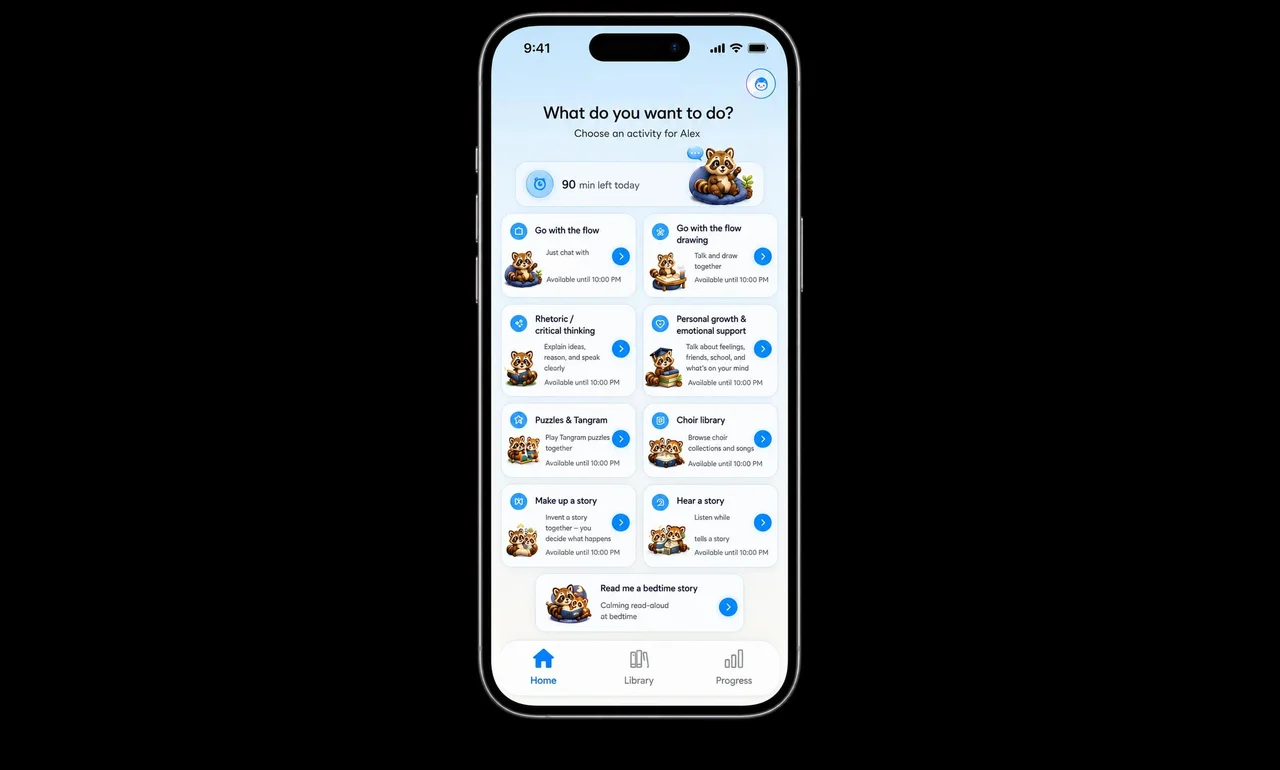
Education & family · Mobile
AI Child Development Companion
A mobile companion that helps children practise language, thinking and social skills through conversation, drawing and games, with a parent app for oversight.
React NativeNext.jsTailwind CSSGoogle Cloud
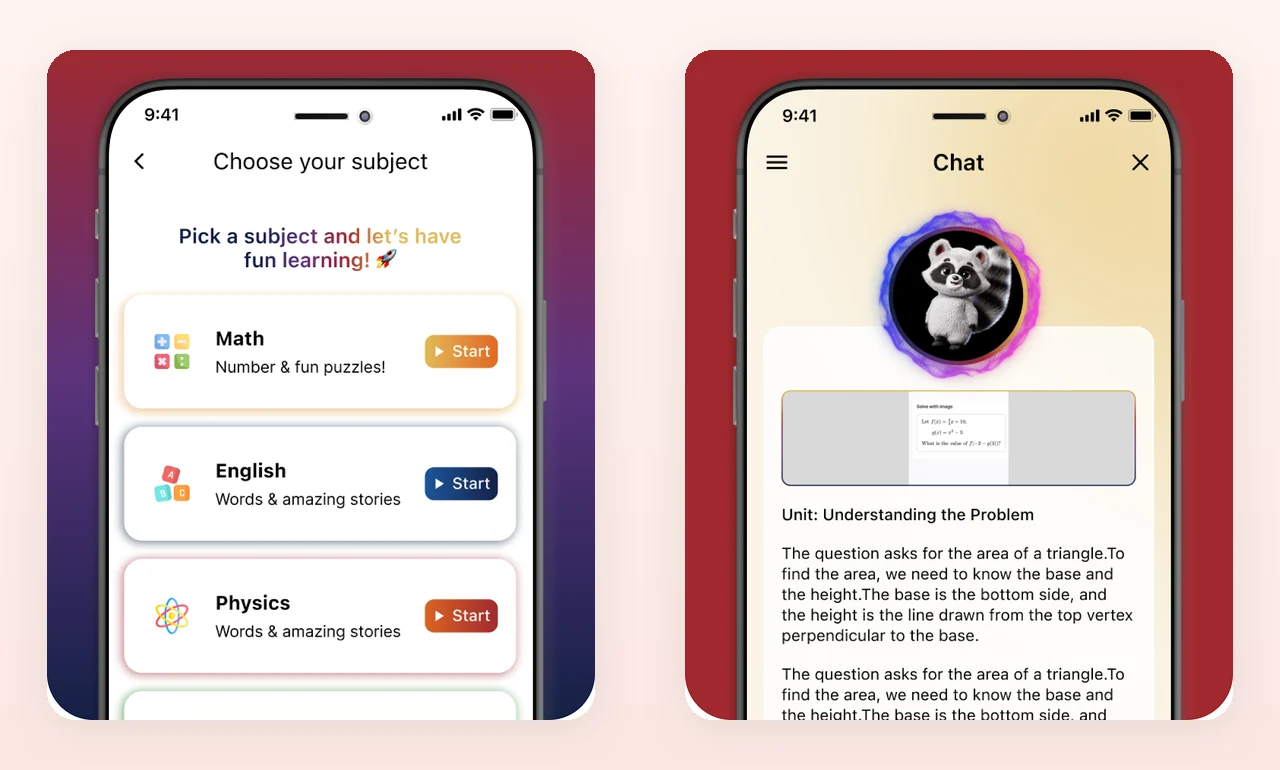
Education & family · Mobile
AI Study Companion
A mobile AI tutor that helps children aged 6 to 18 with homework, exam preparation and reading, explaining step by step instead of giving answers.
React NativeNext.jsGoogle CloudiOS

E-commerce · Web · Shopify app
AI Shopper Simulation for E-commerce
A Shopify app that tests product changes on simulated shoppers built from a store’s own customer data, before anything goes live.
React NativeShopify appAstroPostHog
Tell us about the role you need
Share your stack, priorities and expected responsibilities. Candidate suitability and start timing are confirmed after review.