
Home / Industries / Logistics Software
Make movement and status easier to track.
Connect planning, task assignment and operational updates in one workflow. Design around the people who enter information and the decisions dispatchers need to make.
Common features
- Real-time GPS tracking
- Route planning
- Barcode and QR scanning
- Electronic proof of delivery
- Offline mode
- Push notifications
 ★★★★★5.0· 57 client reviews
Overview
Logistics Software we build
Logistics depends on accurate, timely information: where goods are, who is handling them and what needs to happen next. Manual updates and disconnected systems create delays, errors and frustrated customers.
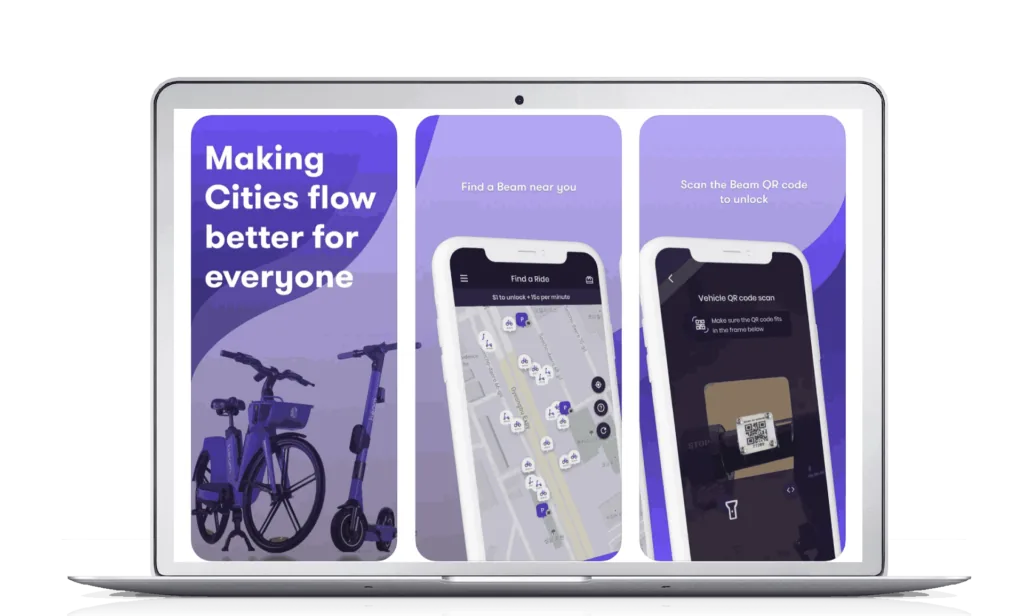
We build dispatch dashboards, driver and courier apps, shipment tracking and reporting tools. Our e-scooter hire and ride platform, built with a team in Singapore, involved real-time location, fleet management and rider apps that share many patterns with logistics software.
Challenges
Problems we help solve
01
Status visibility
Customers and teams lacking real-time shipment updates.
02
Manual dispatch
Planners assigning jobs by phone and spreadsheet.
03
Paperwork
Delivery notes and proofs of delivery handled on paper.
04
Connectivity
Drivers working in areas with poor mobile coverage.
Solutions
Software we can build for you
Dispatch and planning
Tools for assigning jobs, planning routes and balancing workloads.
Driver and courier apps
Mobile apps for jobs, navigation, scanning and proof of delivery.
Shipment tracking
Customer-facing tracking with notifications.
Fleet management
Vehicle, maintenance and utilisation tracking.
Document capture
Scanning and extraction of delivery documents.
Reporting and analytics
Dashboards for performance, delays and costs.
Features
Capabilities you can include
Real-time GPS trackingRoute planningBarcode and QR scanningElectronic proof of deliveryOffline modePush notificationsCustomer tracking pagesPerformance reports
Workflow examples
Workflows we can help you build
- Dispatch dashboards
- Shipment status
- Delivery applications
- Reporting
These are capability areas, not a list of named client projects.
Delivery considerations
What we agree before building
Review location accuracy, connectivity limits and integration responsibilities. Route optimization performance should be evaluated against real constraints.
An agreed workflow and integration scope, implemented application components, and testing and handover documentation for the selected engagement.
From our portfolio
Hire & Ride E-scooter
An e-scooter hire and ride platform built with a team in Singapore for riders across Asia.
React NativeNode.jsReactJSAWSAutomation testing
Process
A practical path from requirements to release.
Each stage ends with something you can review: a scope, a prototype, a working increment or a release.
01
Understand
Discuss your users, business needs, existing systems and delivery constraints.
02
Define
Agree scope, technical approach, responsibilities and a delivery plan.
03
Design and build
Develop in manageable increments with visible progress and review points.
04
Test and release
Validate agreed workflows, resolve release blockers and prepare deployment.
05
Support and improve
Document the handover, review production feedback and plan the next priorities.
Technology
Tools and platforms we work with
React NativeFlutterKotlinSwiftNode.jsPythonPostgreSQLPostGISGoogle MapsMapboxFirebaseAWS
Why PoliteTech
Why teams choose PoliteTech
Scope before commitment
Priorities, assumptions and acceptance criteria are agreed in writing before a delivery plan is fixed.
Engineers who build
Recommendations come from the people who design, code and support the software, so they reflect real implementation effort.
Visible progress
A shared backlog, regular demos and recorded decisions keep you informed without chasing updates.
Practical AI
Evaluation sets, review steps, cost limits and monitoring are part of every AI feature we ship.
Flexible engagement
Start with a scoped project, a dedicated team or support, and change the model as your roadmap evolves.
Clear ownership
Repositories and accounts can live in your organisation, with IP and confidentiality terms agreed in the contract.
FAQ
Questions about logistics software
Can the driver app work offline?
Yes, with local storage and sync when connectivity returns.
Do you build route optimisation?
We integrate routing services and can build custom optimisation evaluated against your real constraints.
Can you integrate with our TMS or WMS?
Yes, through APIs or file-based integration.
Do you support barcode scanning?
Yes, using phone cameras or dedicated scanners.
Can customers track deliveries?
Yes, with tracking pages and notifications.
How are pricing and timelines determined?
We review requirements, technical complexity, team needs and delivery constraints before proposing an engagement. Estimates list assumptions and what may change the plan.
Can we discuss a project under an NDA?
Yes. Let us know before sharing confidential materials so we can agree confidentiality terms first.
Discuss your logistics software project
Tell us how the process works today and where it needs to improve. We can help define the software requirements.