
Home / Services / SaaS Product Development
Build a SaaS platform around your users and operating model.
Plan the product experience alongside account structure, administration and integrations. Agree how access and customer data should be separated before implementation.
 ★★★★★5.0· 57 client reviews
Overview
SaaS Product Development, explained
SaaS products serve many customers from one platform, which adds requirements beyond a normal application: tenant separation, subscription billing, user roles, onboarding, usage tracking and reliable updates without disruption.
We build SaaS products from first version to scale, with architecture that keeps customer data separate, billing that matches your pricing model and admin tools for your team. Our payment gateway, workflow automation platform and a care management platform used by many care providers reflect this kind of multi-customer design.
Before you build
Decisions worth settling first
Settling these points early keeps scope realistic and makes the estimate meaningful.
01
Pricing model
Define plans, trials, seats or usage-based billing.
02
Tenancy
Decide how customer data is separated and configured.
03
Roles
List user roles and permissions inside each customer account.
04
Onboarding
Design how new customers sign up and get started.
05
Integrations
Identify integrations customers will expect.
06
Operations
Plan support, monitoring and release processes.
Services
What our SaaS product development services include
SaaS architecture
Multi-tenant design that balances isolation, cost and simplicity.
Subscription billing
Plans, trials, invoices and payment integration.
User management
Roles, teams, invitations and single sign-on.
Admin console
Internal tools for managing customers and support.
Integrations and APIs
Public APIs and connectors for customer systems.
Analytics
Usage tracking and in-product reporting.
How it is built
The layers behind a dependable result
Every layer has an owner, tests and documentation, so the system can be supported after launch.
01
Product
Customer-facing features and onboarding.
02
Platform
Tenancy, authentication, billing and permissions.
03
Operations
Admin tools, monitoring and support.
04
Infrastructure
Scalable hosting, backups and deployment.
Use cases
Where it helps
B2B tools
Workflow and productivity software for businesses.
Vertical SaaS
Software for a specific industry.
Fintech platforms
Payment and finance tools.
Form and workflow platforms
Configurable tools for many organisations.
Marketplaces
Platforms with subscriptions for sellers.
Agencies
Productised services turned into software.
Illustrative use case
A business platform can serve multiple customer organizations while giving each the permissions and administration they need.
Why PoliteTech
Why teams choose PoliteTech
Scope before commitment
Priorities, assumptions and acceptance criteria are agreed in writing before a delivery plan is fixed.
Engineers who build
Recommendations come from the people who design, code and support the software, so they reflect real implementation effort.
Visible progress
A shared backlog, regular demos and recorded decisions keep you informed without chasing updates.
Practical AI
Evaluation sets, review steps, cost limits and monitoring are part of every AI feature we ship.
Flexible engagement
Start with a scoped project, a dedicated team or support, and change the model as your roadmap evolves.
Clear ownership
Repositories and accounts can live in your organisation, with IP and confidentiality terms agreed in the contract.
Industries
Where this work fits
Retail and Ecommerce
Build web and mobile journeys around product discovery, ordering and customer service.
Financial Software
Support reporting, document processing and internal operations through defined application workflows.
Logistics Software
Connect planning, task assignment and operational updates in one workflow.
Education and Elearning
Create platforms for content, activities and progress tracking.
Fitness and Wellness Apps
Support tracking, coaching content and user engagement around a clear product goal.
Manufacturing Software
Replace fragmented tracking with workflows for quotations, work status and supporting documents.
Real Estate Applications
Create listing, enquiry and internal coordination tools around your business process.
Business Operations
Build task, approval and reporting tools around the way your team works.
Process
A practical path from requirements to release.
Each stage ends with something you can review: a scope, a prototype, a working increment or a release.
01
Understand
Discuss your users, business needs, existing systems and delivery constraints.
02
Define
Agree scope, technical approach, responsibilities and a delivery plan.
03
Design and build
Develop in manageable increments with visible progress and review points.
04
Test and release
Validate agreed workflows, resolve release blockers and prepare deployment.
05
Support and improve
Document the handover, review production feedback and plan the next priorities.
Technology
Tools and platforms we work with
ReactNext.jsAngularNode.jsNestJS.NETPythonDjangoRuby on RailsPostgreSQLRedisStripePaddleAuth0KeycloakAWSAzureGoogle CloudDockerKubernetes
Cost
What shapes the cost of your project?
There is no useful price without scope. These are the factors we review when preparing an estimate, and the estimate lists every assumption so you can see what would change it.
01
Platforms
Web, iOS, Android or all three, and whether apps are native or cross-platform.
02
Features and roles
The number of user journeys, roles and business rules in the first release.
03
Integrations
Payments, maps, CRMs, ERPs and third-party APIs each add scope.
04
Design depth
From using a component library to a fully custom design system.
05
Data migration
Moving and validating data from existing systems.
06
Non-functional needs
Performance, security, availability and compliance requirements.
Engagement models
Choose the engagement that fits your next step.
Dedicated Team
For a changing roadmap or ongoing development. Agree roles and working process, then manage priorities through a shared backlog.
Best for team extension and long-term product work.
Scoped Project
For a defined product or milestone. Align on requirements, deliverables and acceptance criteria, with changes reviewed before they affect the plan.
Best for MVPs, integrations and focused releases.
Maintenance and Improvement
For software that already exists. Start with a technical review, then agree support routines and planned improvements.
Best for live applications and modernisation.
FAQ
Questions about SaaS product development
Single-tenant or multi-tenant?
Most SaaS products use multi-tenancy for efficiency; some enterprise customers need dedicated instances. We design for your market.
Which billing tools do you use?
Commonly Stripe or Paddle, integrated with your plans and tax needs.
Can you add SSO for enterprise customers?
Yes, using SAML or OpenID Connect providers.
How do you release updates safely?
With automated testing, staged rollouts and feature flags.
Can you scale an existing SaaS product?
Yes, starting with a review of architecture, performance and costs.
Do you help with security reviews from customers?
We can provide technical documentation and support for security questionnaires.
Can we begin with a focused scope?
Yes. We can review your current situation and agree a bounded first engagement before a wider build.
How are pricing and timelines determined?
We review requirements, technical complexity, team needs and delivery constraints before proposing an engagement. Estimates list assumptions and what may change the plan.
Can we discuss a project under an NDA?
Yes. Let us know before sharing confidential materials so we can agree confidentiality terms first.
Our work
SaaS products we have built
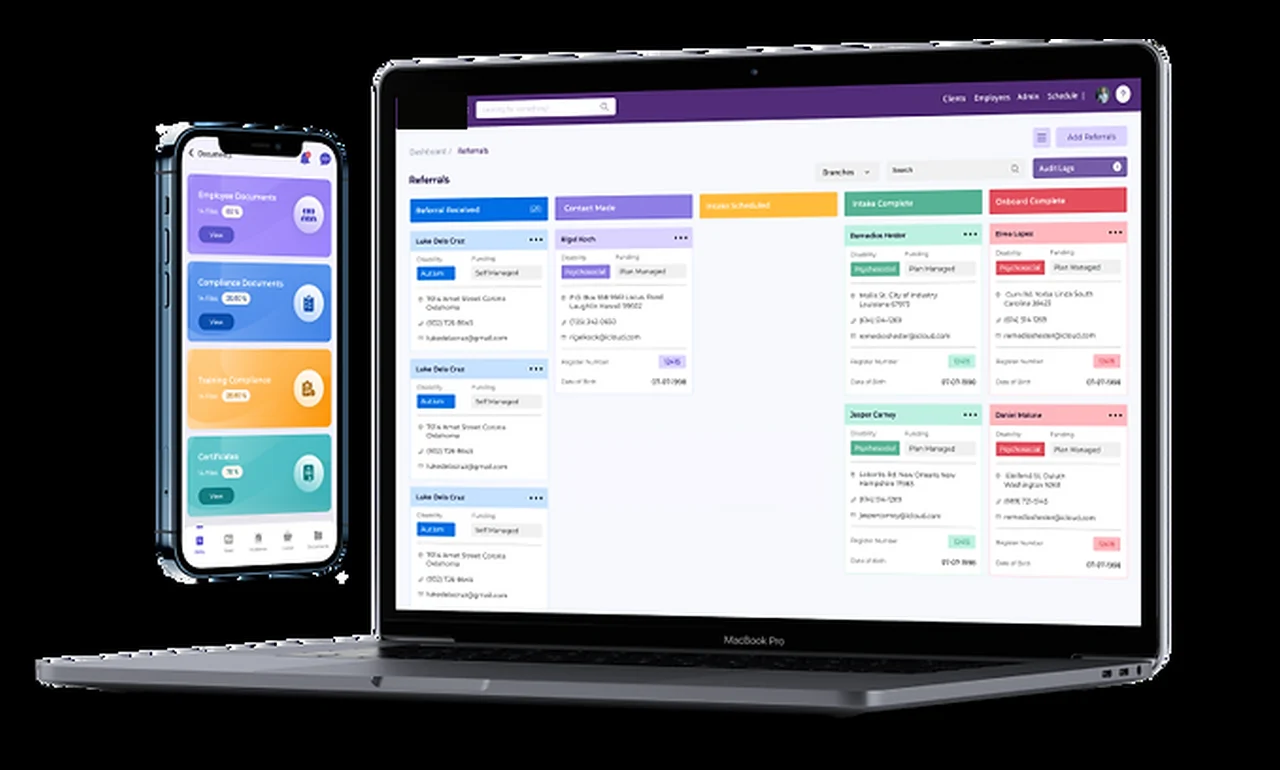
Disability & aged care · Web & mobile
Care Management Platform
A care management platform for Australian disability and aged care providers, covering rostering, client records, timesheets and invoicing.
AngularFlutterFirebaseNgRx
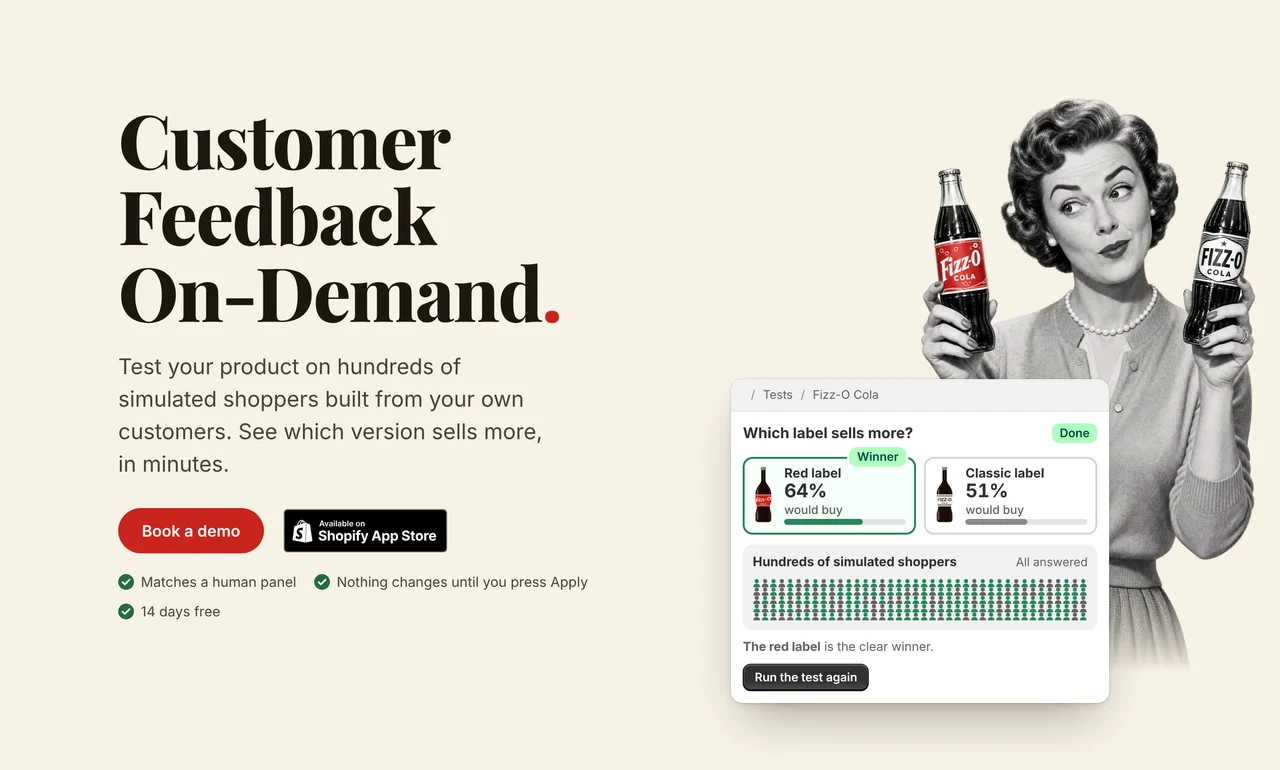
E-commerce · Web · Shopify app
AI Shopper Simulation for E-commerce
A Shopify app that tests product changes on simulated shoppers built from a store’s own customer data, before anything goes live.
React NativeShopify appAstroPostHog
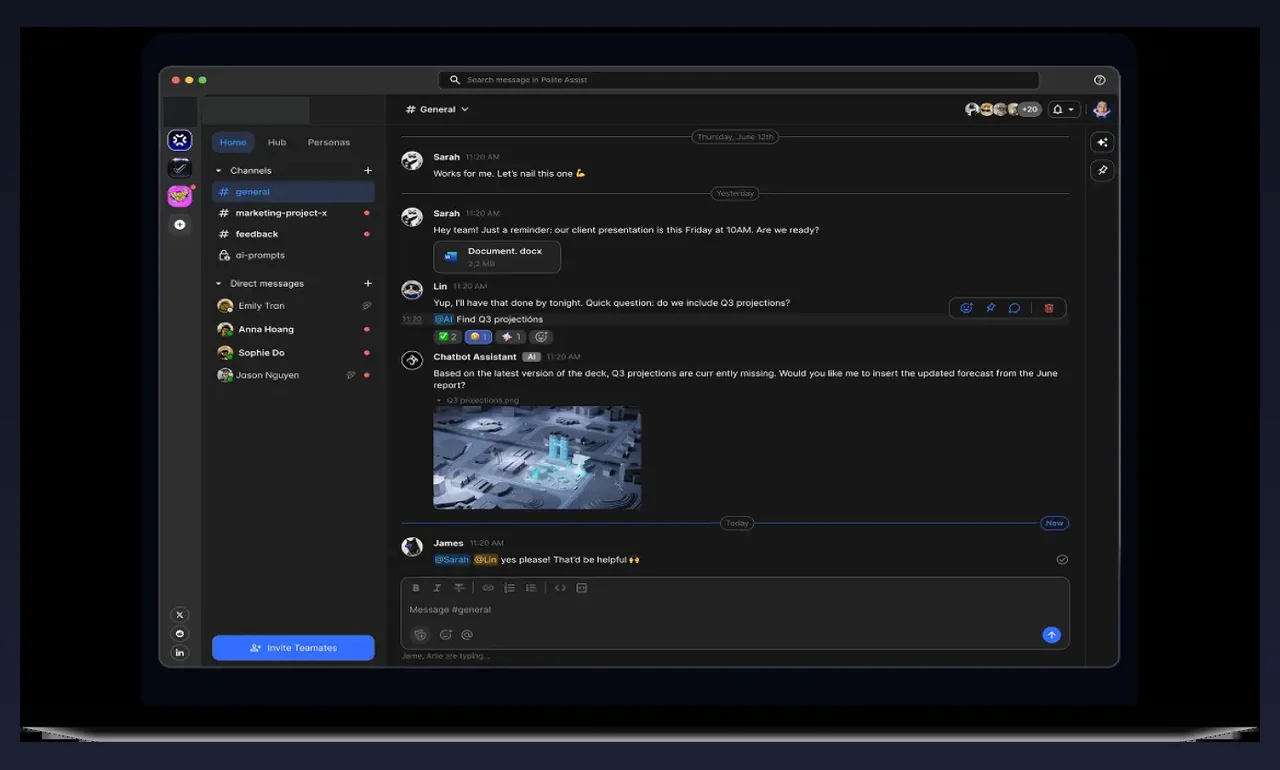
Productivity · Web & desktop
Team Messaging with Built-in AI
A secure team messaging and collaboration tool with workspaces, channels and optional AI for summaries, replies and action items.
Next.jsReactRedux ToolkitElectron
Discuss your SaaS product development needs
Share your goals, current situation and the help you need. We will review your message and suggest a practical next step.