
Home / Services / Dedicated Development Teams
Engineering capacity that works with your team.
Extend your development team with the skills needed for your roadmap. Agree the roles and working process, then collaborate through your existing tools and delivery routines.
 ★★★★★5.0· 57 client reviews
Overview
Dedicated Development Teams, explained
A dedicated team gives you engineers who work on your product every day, inside your backlog, rituals and tools, without the time and cost of local hiring. It suits companies with an ongoing roadmap that changes as they learn.
We help define the roles, select engineers with the right skills, onboard them to your codebase and agree communication, working overlap and reporting. Several of our portfolio projects were delivered this way with teams in Australia, Singapore, Estonia and the UK.
Before you build
Decisions worth settling first
Settling these points early keeps scope realistic and makes the estimate meaningful.
01
Roles and skills
Define the roles, seniority and technologies the team needs.
02
Ownership
Decide who sets priorities and who leads technical decisions.
03
Working overlap
Agree shared hours, meeting cadence and communication channels.
04
Onboarding
Prepare access, documentation and a first set of tasks.
05
Quality standards
Share code review, testing and definition-of-done practices.
06
Scaling
Plan how the team can grow or shrink with notice.
Services
What our dedicated development teams services include
Full product teams
Developers, QA, design and delivery management working as one unit.
Team extension
Individual engineers who join your existing team.
Specialist roles
AI, DevOps, mobile or QA specialists for specific needs.
Agency white-label teams
Engineers who deliver under your agency’s processes and brand.
Technical leadership
Tech leads or architects to guide a growing team.
Transition support
Handover planning when work moves to or from another team.
How it is built
The layers behind a dependable result
Every layer has an owner, tests and documentation, so the system can be supported after launch.
01
Define
Agree roles, skills, ownership and working model.
02
Select
Propose engineers, review profiles and conduct interviews if needed.
03
Onboard
Set up access, introduce the codebase and start with scoped tasks.
04
Run and review
Regular delivery, reporting and adjustments to team composition.
Use cases
Where it helps
Product companies
Steady capacity for a long-term roadmap.
Agencies
Extra delivery capacity for client work.
Startups after MVP
A team that continues building after the first release.
Enterprises
Additional capacity for internal digital projects.
AI initiatives
Engineers with AI and data skills alongside your team.
Legacy products
Ongoing maintenance and modernisation.
From our portfolio
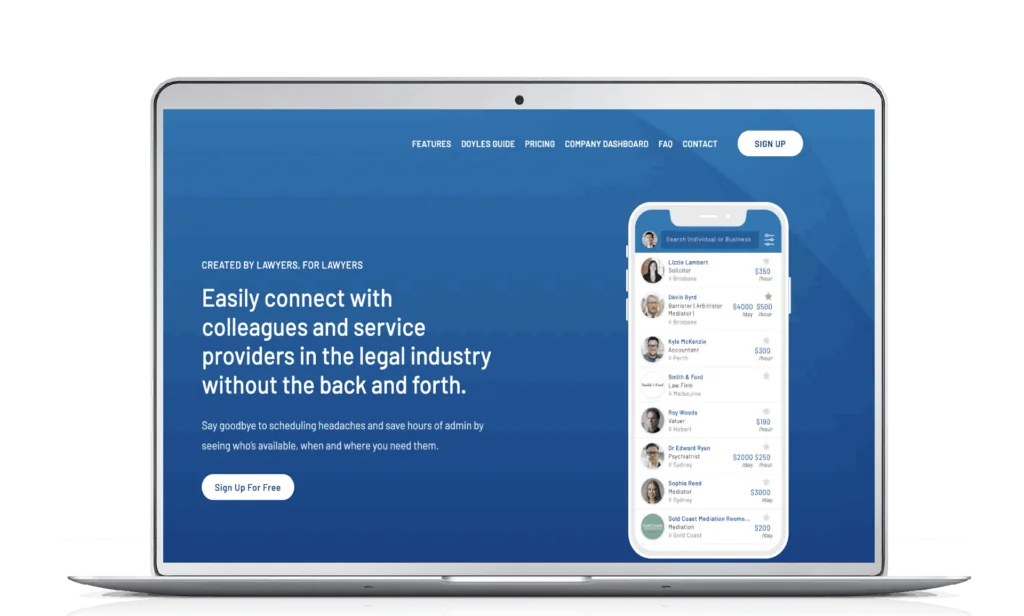
Lawyer Marketplace
A platform that helps clients connect with colleagues and service providers in the legal industry, built with an Australian team.
React NativeReactJSNode.jsGoogle CloudQA
Why PoliteTech
Why teams choose PoliteTech
Scope before commitment
Priorities, assumptions and acceptance criteria are agreed in writing before a delivery plan is fixed.
Engineers who build
Recommendations come from the people who design, code and support the software, so they reflect real implementation effort.
Visible progress
A shared backlog, regular demos and recorded decisions keep you informed without chasing updates.
Practical AI
Evaluation sets, review steps, cost limits and monitoring are part of every AI feature we ship.
Flexible engagement
Start with a scoped project, a dedicated team or support, and change the model as your roadmap evolves.
Clear ownership
Repositories and accounts can live in your organisation, with IP and confidentiality terms agreed in the contract.
Industries
Where this work fits
Retail and Ecommerce
Build web and mobile journeys around product discovery, ordering and customer service.
Financial Software
Support reporting, document processing and internal operations through defined application workflows.
Logistics Software
Connect planning, task assignment and operational updates in one workflow.
Education and Elearning
Create platforms for content, activities and progress tracking.
Fitness and Wellness Apps
Support tracking, coaching content and user engagement around a clear product goal.
Manufacturing Software
Replace fragmented tracking with workflows for quotations, work status and supporting documents.
Real Estate Applications
Create listing, enquiry and internal coordination tools around your business process.
Business Operations
Build task, approval and reporting tools around the way your team works.
Process
A practical path from requirements to release.
Each stage ends with something you can review: a scope, a prototype, a working increment or a release.
01
Understand
Discuss your users, business needs, existing systems and delivery constraints.
02
Define
Agree scope, technical approach, responsibilities and a delivery plan.
03
Design and build
Develop in manageable increments with visible progress and review points.
04
Test and release
Validate agreed workflows, resolve release blockers and prepare deployment.
05
Support and improve
Document the handover, review production feedback and plan the next priorities.
Technology
Tools and platforms we work with
ReactAngularVueNode.js.NETJavaPythonPHPRuby on RailsReact NativeFlutterSwiftKotlinAWSAzureGoogle CloudJiraGitHubGitLabSlack
Cost
What shapes the cost of your project?
There is no useful price without scope. These are the factors we review when preparing an estimate, and the estimate lists every assumption so you can see what would change it.
01
Roles and seniority
The mix of developers, QA, design and leadership the work requires.
02
Team size
How many people are needed to meet your roadmap.
03
Duration
Longer engagements allow more stable planning.
04
Working overlap
Shared hours and meeting cadence with your time zone.
05
Specialist skills
AI, DevOps or niche technologies may require specialist engineers.
06
Onboarding effort
Codebase size, documentation and access setup.
Engagement models
Choose the engagement that fits your next step.
Dedicated Team
For a changing roadmap or ongoing development. Agree roles and working process, then manage priorities through a shared backlog.
Best for team extension and long-term product work.
Scoped Project
For a defined product or milestone. Align on requirements, deliverables and acceptance criteria, with changes reviewed before they affect the plan.
Best for MVPs, integrations and focused releases.
Maintenance and Improvement
For software that already exists. Start with a technical review, then agree support routines and planned improvements.
Best for live applications and modernisation.
FAQ
Questions about dedicated development teams
How is a dedicated team different from a fixed project?
A dedicated team is paid by time and follows your changing priorities. A fixed project has a defined scope and deliverables.
Can we interview the engineers?
Yes, interviews can be part of the selection process.
What working hours do you cover?
We agree an overlap with your time zone; Vietnam’s time zone works well with Asia-Pacific, Europe mornings and US evenings.
Who manages the team day to day?
You set priorities; we support with delivery management and technical leadership as agreed.
Can we change the team size?
Yes, with notice agreed in the contract.
How do you protect our code and data?
Through NDAs, access control, secure devices and agreed IP terms.
How quickly can a team start?
Timing depends on the roles, availability and onboarding requirements. We confirm a realistic start plan after reviewing your needs.
Are QA and project management always included?
The proposal specifies which roles are included. They should not be assumed to be included in every engagement.
How are pricing and timelines determined?
We review requirements, technical complexity, team needs and delivery constraints before proposing an engagement. Estimates list assumptions and what may change the plan.
Can we discuss a project under an NDA?
Yes. Let us know before sharing confidential materials so we can agree confidentiality terms first.
Discuss your dedicated development teams needs
Share your goals, current situation and the help you need. We will review your message and suggest a practical next step.