
Home / Services / Mobile Development
Mobile applications designed for everyday use.
Develop iOS, Android or cross-platform applications that connect a useful mobile experience to the systems behind it.
 ★★★★★5.0· 57 client reviews
Overview
Mobile Development, explained
A mobile app has to earn its place on a user’s phone. That means fast performance, intuitive flows, reliable offline behaviour and regular updates. Behind the app sits a backend, an admin panel and integrations that must be just as dependable.
We build native and cross-platform apps with React Native, Flutter, Swift and Kotlin, together with the backend and admin tools they need. Our portfolio includes an e-scooter hire app built with a team in Singapore, a children’s health diary, a nutrition program built with an Australian team and a mobile image processing app for scientists.
Before you build
Decisions worth settling first
Settling these points early keeps scope realistic and makes the estimate meaningful.
01
Target users
Understand who uses the app, where and on which devices.
02
Platform strategy
Choose native or cross-platform based on features, budget and timeline.
03
Device features
List camera, location, Bluetooth, payments or notifications needed.
04
Offline needs
Decide what must work without a connection and how data syncs.
05
Backend and admin
Plan the APIs, admin panel and integrations behind the app.
06
Store release
Prepare accounts, policies and review requirements for App Store and Google Play.
Services
What our mobile development services include
iOS app development
Native apps in Swift for iPhone and iPad.
Android app development
Native apps in Kotlin for phones and tablets.
Cross-platform apps
React Native and Flutter apps from one codebase.
Mobile backends
APIs, authentication, notifications and data sync.
Admin panels
Web dashboards for managing users, content and operations.
App modernisation
Updating older apps for new OS versions, performance and design.
How it is built
The layers behind a dependable result
Every layer has an owner, tests and documentation, so the system can be supported after launch.
01
App
Native or cross-platform interface with offline storage and device features.
02
API
Secure backend services for data, authentication and business rules.
03
Admin
Web tools for operations, content and support teams.
04
Release
Automated builds, testing, store submission and crash monitoring.
Use cases
Where it helps
Mobility
Booking, hire and ride apps with maps and payments.
Health and wellness
Tracking, diaries and personalised programmes.
Commerce
Shopping, loyalty and marketplace apps.
Field work
Data capture, inspections and job management.
Science and productivity
Scanning, note-taking and document tools.
Legal and services
Marketplaces connecting clients with professionals.
From our portfolio
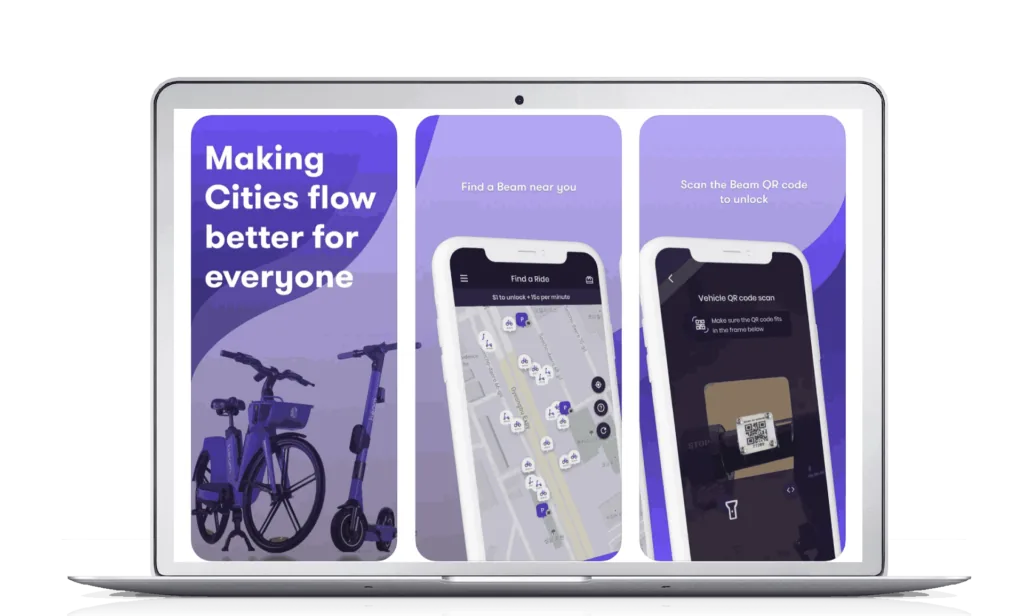
Hire & Ride E-scooter
An e-scooter hire and ride platform built with a team in Singapore for riders across Asia.
React NativeNode.jsReactJSAWSAutomation testing
Why PoliteTech
Why teams choose PoliteTech
Scope before commitment
Priorities, assumptions and acceptance criteria are agreed in writing before a delivery plan is fixed.
Engineers who build
Recommendations come from the people who design, code and support the software, so they reflect real implementation effort.
Visible progress
A shared backlog, regular demos and recorded decisions keep you informed without chasing updates.
Practical AI
Evaluation sets, review steps, cost limits and monitoring are part of every AI feature we ship.
Flexible engagement
Start with a scoped project, a dedicated team or support, and change the model as your roadmap evolves.
Clear ownership
Repositories and accounts can live in your organisation, with IP and confidentiality terms agreed in the contract.
Industries
Where this work fits
Retail and Ecommerce
Build web and mobile journeys around product discovery, ordering and customer service.
Financial Software
Support reporting, document processing and internal operations through defined application workflows.
Logistics Software
Connect planning, task assignment and operational updates in one workflow.
Education and Elearning
Create platforms for content, activities and progress tracking.
Fitness and Wellness Apps
Support tracking, coaching content and user engagement around a clear product goal.
Manufacturing Software
Replace fragmented tracking with workflows for quotations, work status and supporting documents.
Real Estate Applications
Create listing, enquiry and internal coordination tools around your business process.
Business Operations
Build task, approval and reporting tools around the way your team works.
Process
A practical path from requirements to release.
Each stage ends with something you can review: a scope, a prototype, a working increment or a release.
01
Understand
Discuss your users, business needs, existing systems and delivery constraints.
02
Define
Agree scope, technical approach, responsibilities and a delivery plan.
03
Design and build
Develop in manageable increments with visible progress and review points.
04
Test and release
Validate agreed workflows, resolve release blockers and prepare deployment.
05
Support and improve
Document the handover, review production feedback and plan the next priorities.
Technology
Tools and platforms we work with
React NativeFlutterSwiftSwiftUIKotlinJetpack ComposeNode.jsFirebaseGraphQLRESTPostgreSQLAWS AmplifyGoogle CloudFastlaneApp Center
Cost
What shapes the cost of your project?
There is no useful price without scope. These are the factors we review when preparing an estimate, and the estimate lists every assumption so you can see what would change it.
01
Platforms
Web, iOS, Android or all three, and whether apps are native or cross-platform.
02
Features and roles
The number of user journeys, roles and business rules in the first release.
03
Integrations
Payments, maps, CRMs, ERPs and third-party APIs each add scope.
04
Design depth
From using a component library to a fully custom design system.
05
Data migration
Moving and validating data from existing systems.
06
Non-functional needs
Performance, security, availability and compliance requirements.
Engagement models
Choose the engagement that fits your next step.
Dedicated Team
For a changing roadmap or ongoing development. Agree roles and working process, then manage priorities through a shared backlog.
Best for team extension and long-term product work.
Scoped Project
For a defined product or milestone. Align on requirements, deliverables and acceptance criteria, with changes reviewed before they affect the plan.
Best for MVPs, integrations and focused releases.
Maintenance and Improvement
For software that already exists. Start with a technical review, then agree support routines and planned improvements.
Best for live applications and modernisation.
FAQ
Questions about mobile development
Native or cross-platform?
Cross-platform suits most business apps and saves effort; native is better for heavy device integration or the highest performance. We recommend after reviewing features.
Do you publish apps to the stores?
Yes. We prepare builds, store listings and handle review feedback with your accounts.
Can you build the backend too?
Yes. Most of our mobile projects include APIs, admin panels and cloud hosting.
Can the app work offline?
Yes, with local storage and sync logic designed around your workflows.
Can you take over an existing app?
Yes. We review code quality, dependencies and release setup first.
How do you test mobile apps?
With automated tests, device testing across screen sizes and OS versions, and beta releases.
Should we choose native or cross-platform?
The choice depends on device capabilities, existing code, user experience and maintenance needs. We review those factors before recommending a stack.
How are pricing and timelines determined?
We review requirements, technical complexity, team needs and delivery constraints before proposing an engagement. Estimates list assumptions and what may change the plan.
Can we discuss a project under an NDA?
Yes. Let us know before sharing confidential materials so we can agree confidentiality terms first.
Our work
More mobile projects
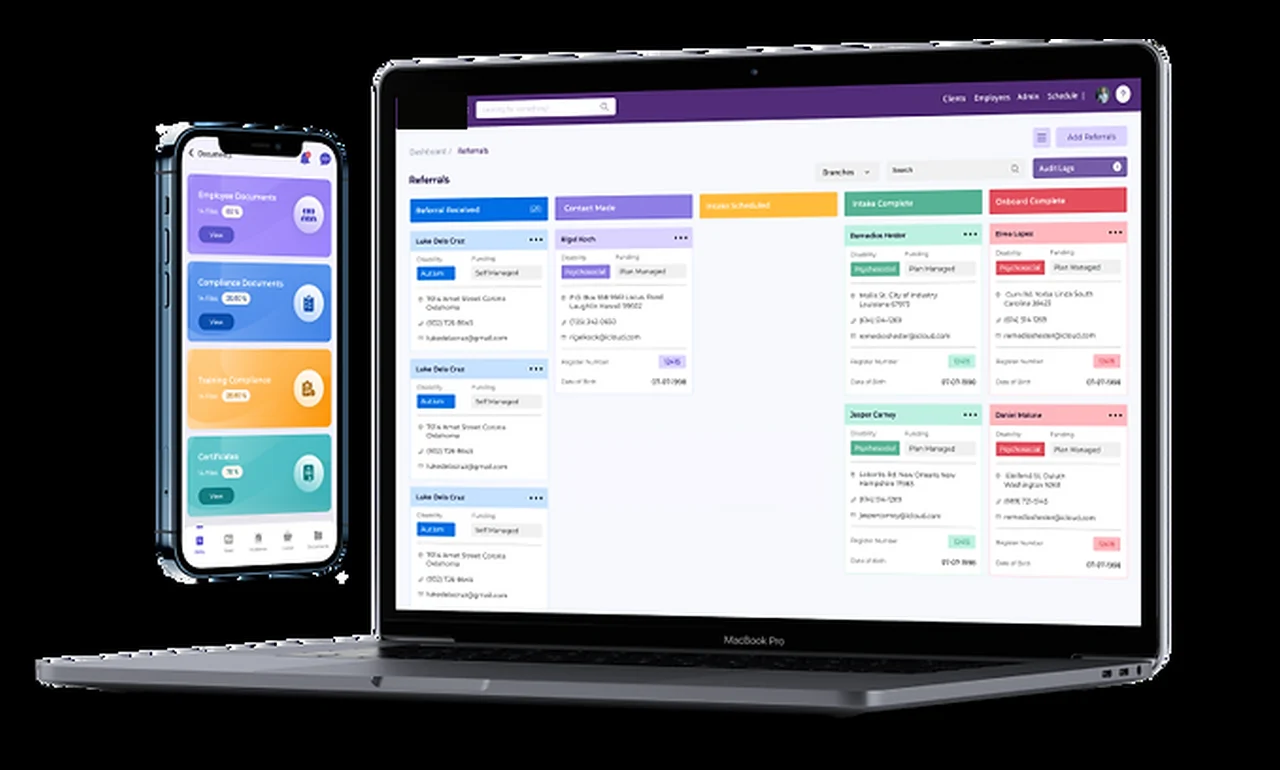
Disability & aged care · Web & mobile
Care Management Platform
A care management platform for Australian disability and aged care providers, covering rostering, client records, timesheets and invoicing.
AngularFlutterFirebaseNgRx
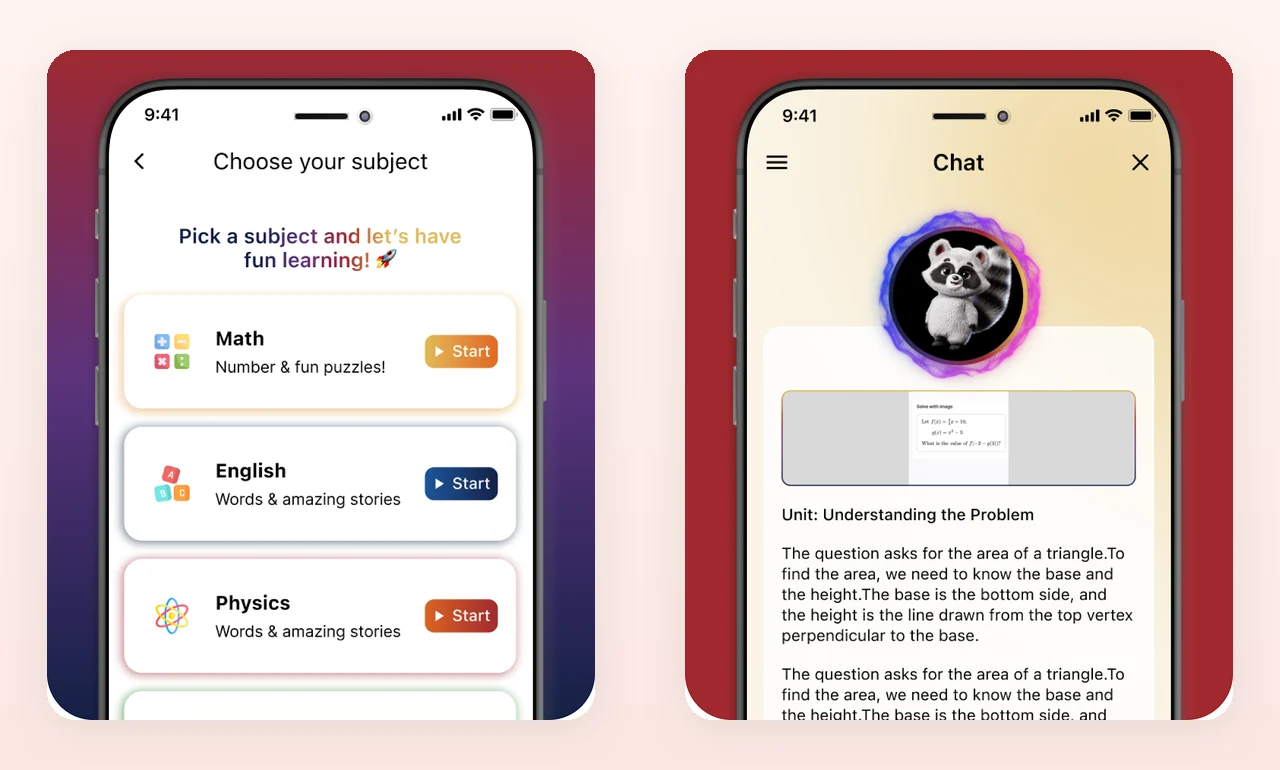
Education & family · Mobile
AI Study Companion
A mobile AI tutor that helps children aged 6 to 18 with homework, exam preparation and reading, explaining step by step instead of giving answers.
React NativeNext.jsGoogle CloudiOS
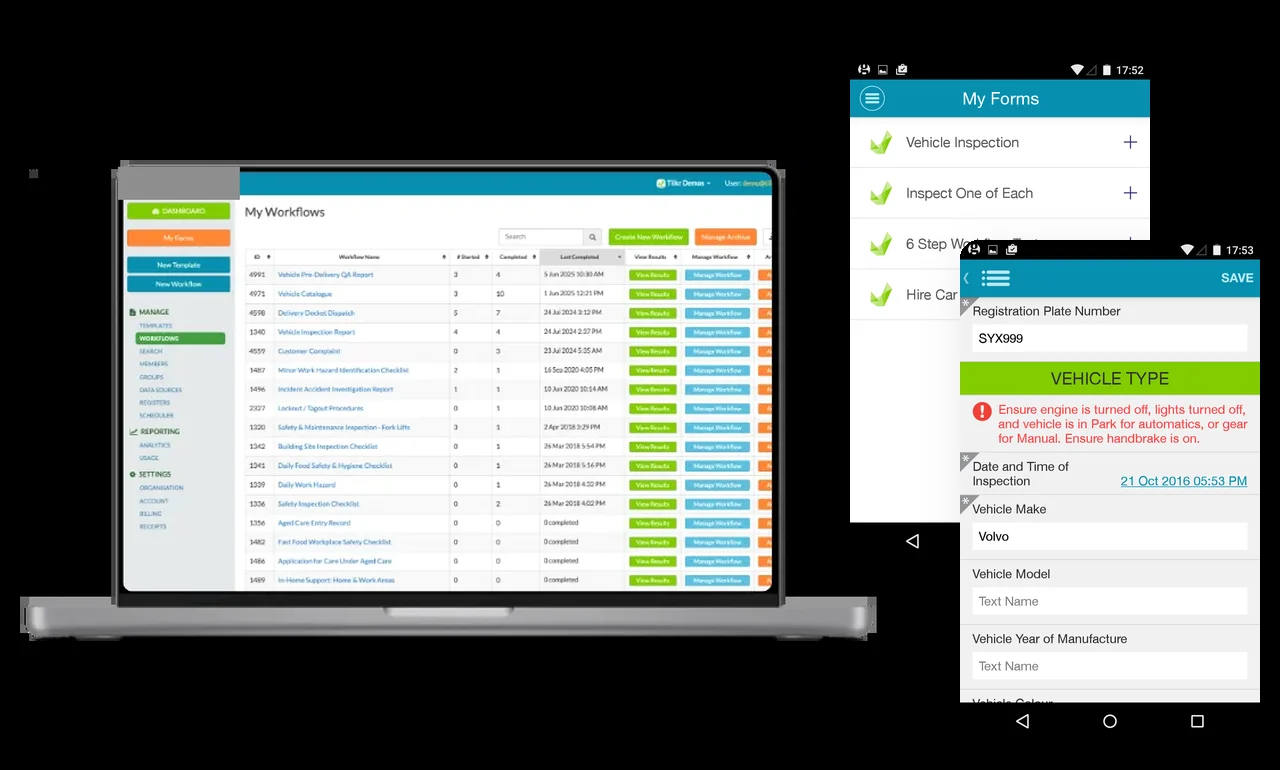
Operations · Web & mobile
Workflow Automation Solutions
A cloud-based platform for building and distributing forms for web and mobile apps.
PythonDjangoReactJSFlutter
Discuss your mobile development needs
Share your goals, current situation and the help you need. We will review your message and suggest a practical next step.